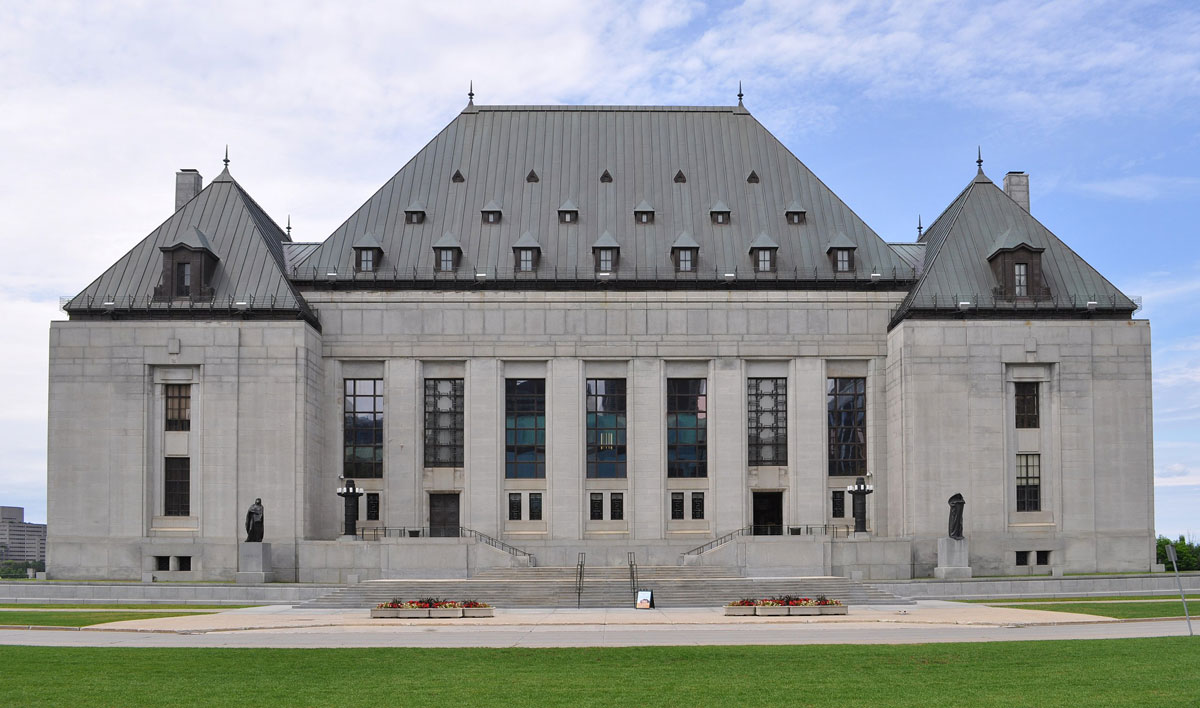
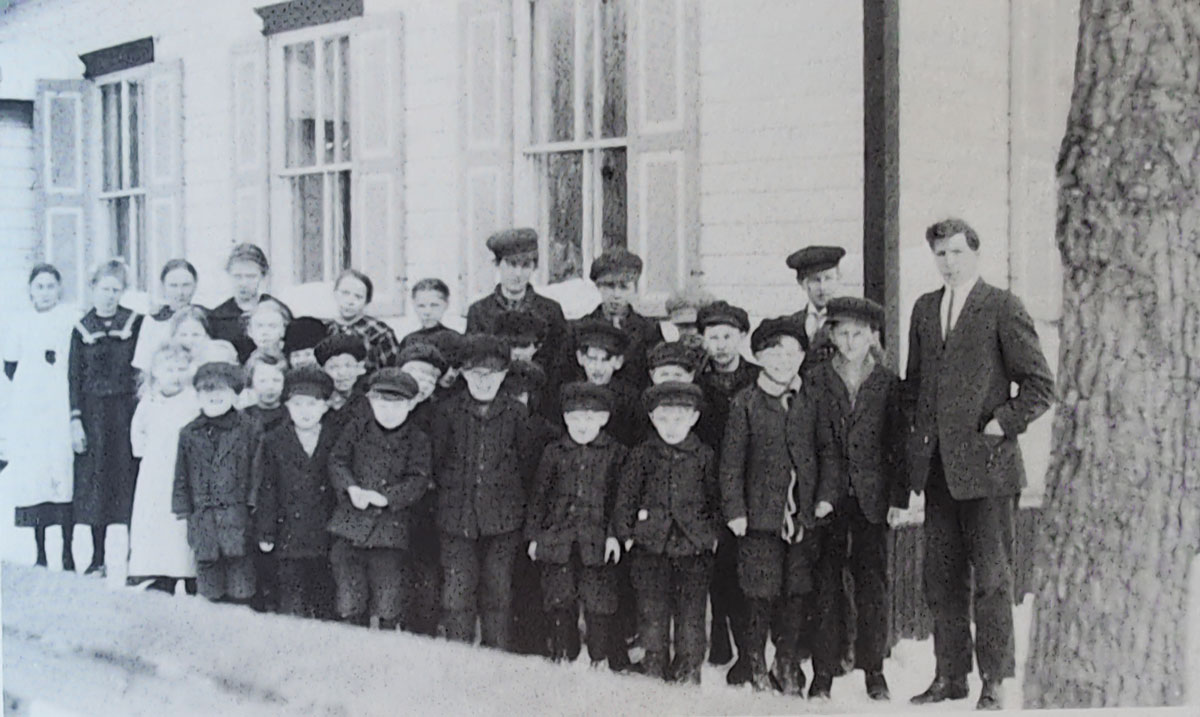
In the early 1800s, Catholic Religious Orders and Protestant Churches started the first schools in the Red River settlement, supported by those churches, along with other donations and grants from the Northwest and Hudson’s Bay Companies.


In 1870, the newly created Dominion of Canada acquired the Hudson’s Bay Company territories as part of the negotiations with the Metis provisional government of Louis Riel.
Manitoba entered the Confederation with a constitutional provision for denominational schools and equality of French and English languages in the Manitoba Act.
This federal Act became part of the Constitution of Canada and remains there to this day.
Mennonites seeking religious freedom also came to Manitoba at this time, drawn by the government’s written guarantee (the Privilegium) that they could educate their children according to their beliefs.
From 1870 to 1890, Manitoba had fully funded Catholic and Protestant school systems, but in 1890 the Government of Manitoba amalgamated both systems to create a nondenominational public school system.
The ensuing debate came to be known as the “Manitoba Schools Question” and reverberated across the young country,
particularly pitting English Protestants, mainly based in Ontario, against French Catholics, who lived mostly in Quebec. The Manitoba Schools Question influenced a federal election, was discussed by Queen Victoria’s Privy Council, and even drew the attention of the Pope. But a series of shrewd political compromises never resolved unanswered questions about previous Legislative commitments.
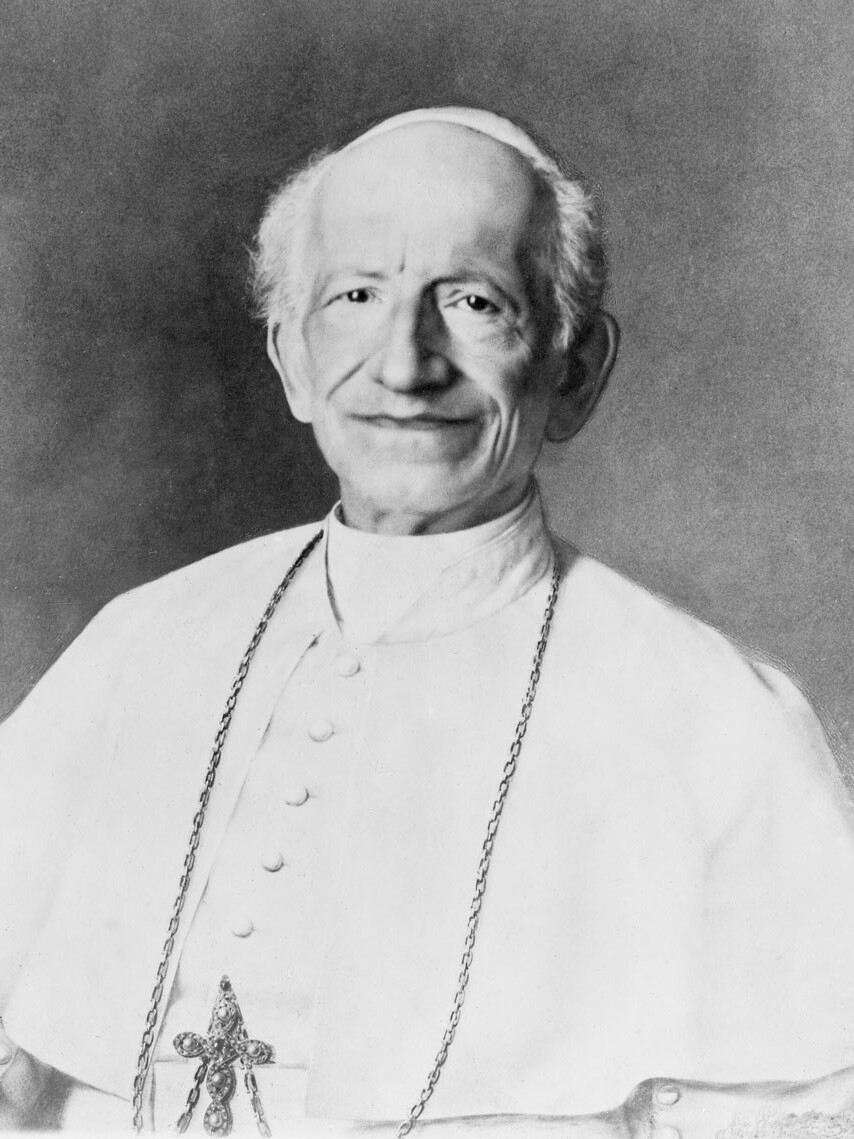
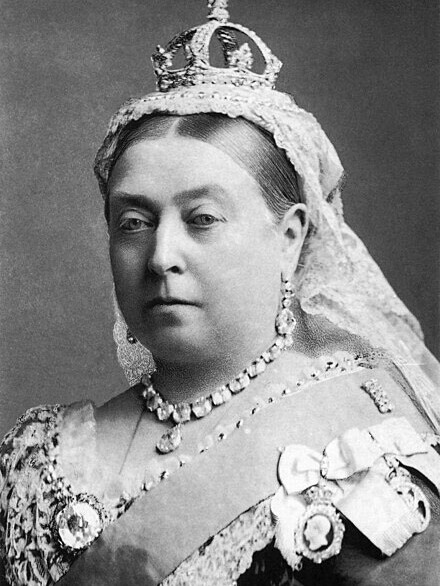
In 1895, Queen Victoria’s Privy Council in London issued a Remedial Order to restore Catholic rights, and while the Order was not legally binding, it did provoke what came to be known as the Greenway-Laurier Compromise of 1896, named after Thomas Greenway, then Premier of Manitoba, and Wilfred Laurier, then Prime Minister of Canada. However, by 1916, the use of French and other languages in schools was banned by the Government of Manitoba, thereby breaking a key part of the Compromise.
In the early 1920s, Mennonites petitioned the Manitoba Legislature for a reprieve from fines, confiscations, arrests, and even the imprisonment of pastors who refused to fly the Union Jack outside their schools.
One line in the petition reads, “All we ask is that you leave us alone!”
Catholic, Mennonite, and other faith communities started schools without government assistance throughout the twentieth century as Manitoba continued to grow and diversify.
A great deal of sacrifice and dedication by families and communities helped the schools to flourish and grow. This continues with new faith communities today.
The Catholic community continued to lobby for their constitutional right to fully funded schools throughout this time and began dialogue with other faith-based independent schools regarding the possibility of fair funding for all students.
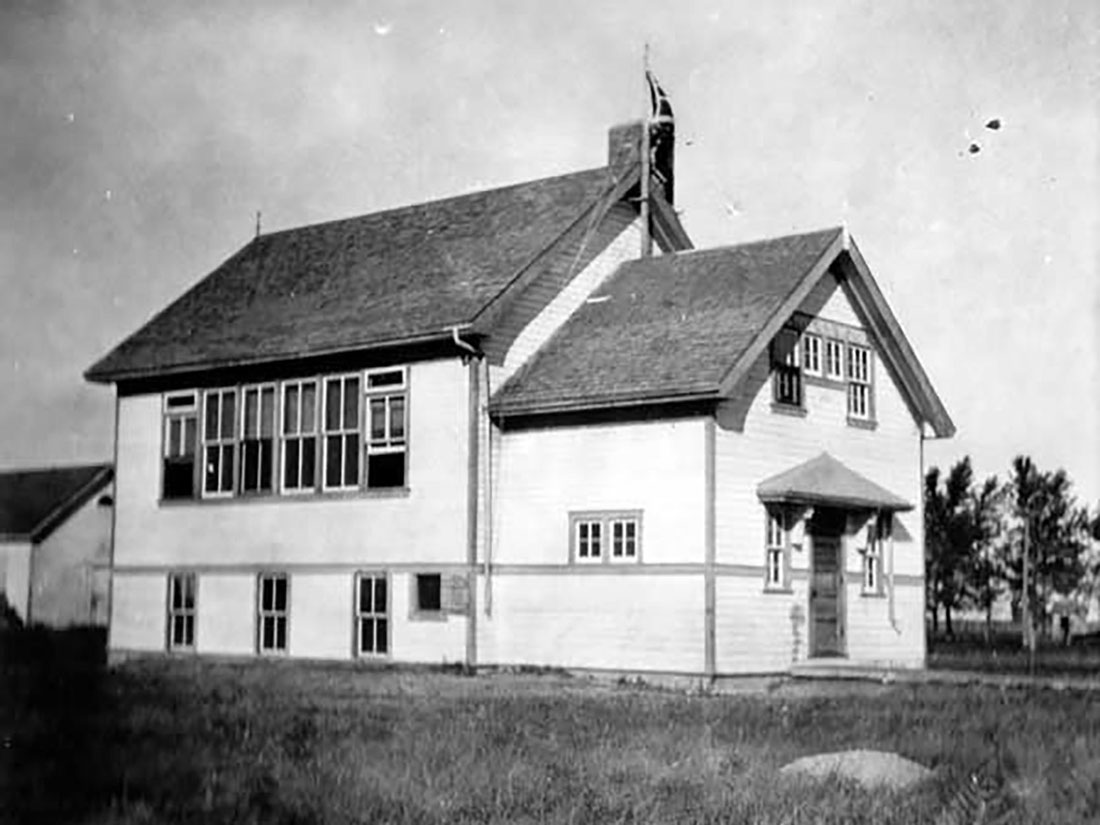

In 1974, the Manitoba Federation of Independent Schools was formed to support
“choice, diversity and excellence in education.”
Mr. Joe Stangle was a leader in the creation of MFIS and an unrelenting advocate for independent education.
In 1985 after the historic Supreme Court case that restored French language education by provisions in the Manitoba Act, the Catholic Schools community legally challenged the Federal Government over the still unresolved guarantees of the Manitoba Act and the Remedial Order of 1895.
In 1990, in exchange for dropping the legal challenge,
the Province of Manitoba signed a Fair Funding Agreement with the Manitoba Federation of Independent Schools and the Manitoba Catholic Schools,
providing partial funding for independent schools meeting certain provisions. This agreement is the basis for the funding that has held until today which gives independent schools 50% funding of the operational expenses of public divisions.